CO₂ storage in Europe

A commercial CO₂ transport and storage solution, available today.

A carbon value chain in operation

Northern Lights provides the world’s first commercial cross-border CO₂ transport and storage service. By connecting industrial emitters with safe and secure storage beneath the North Sea, we provide European industry with an operational and commercially available solution for CO₂ transport and storage today – designed to scale as demand grows.

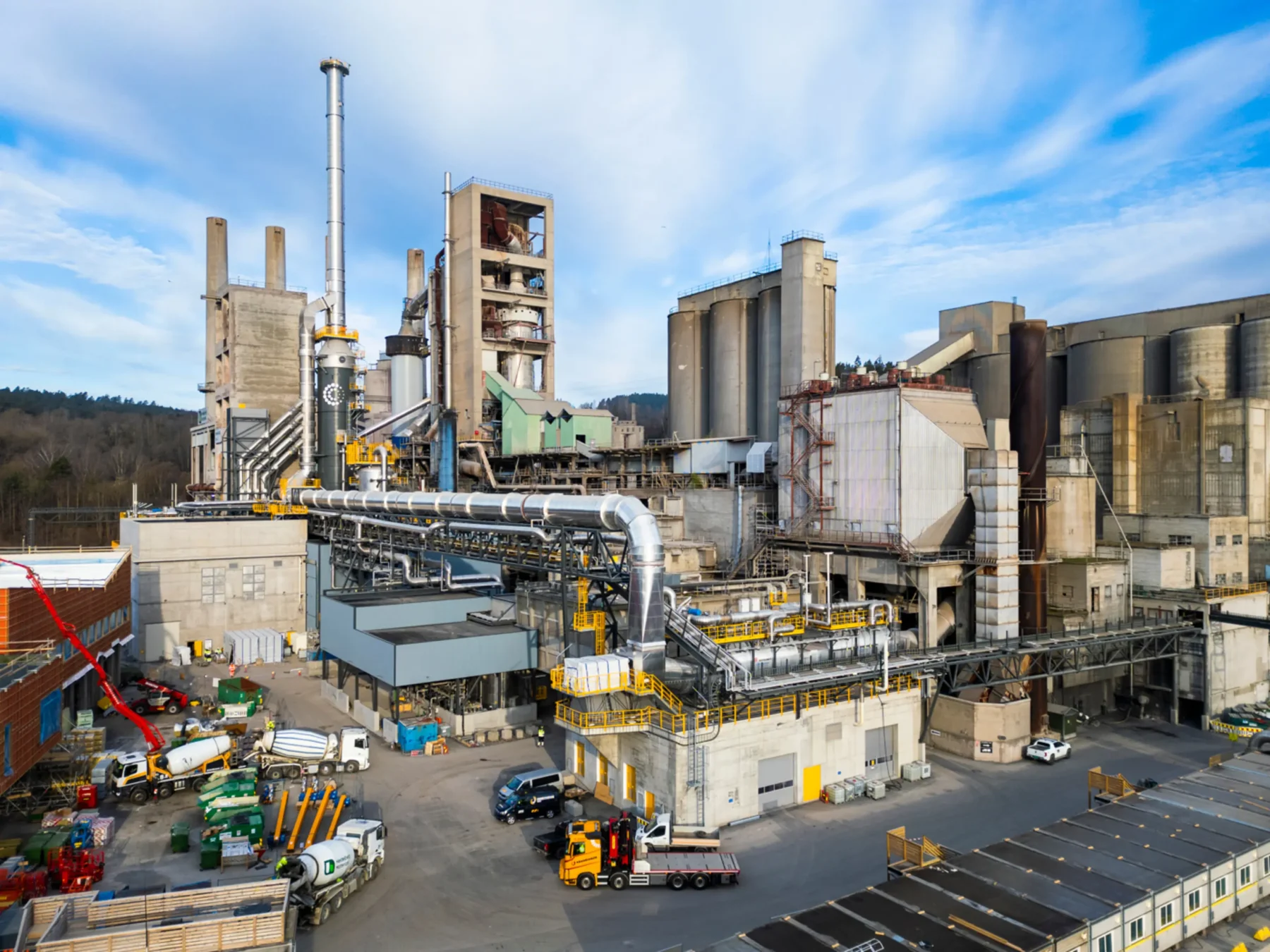
The first CO₂ from Heidelberg Materials was delivered in 2025, marking the start of operations. Northern Lights is now continuously transporting and safely storing CO₂ from the Brevik cement plant. Up to 400,000 tonnes of CO₂ will be captured annually, equivalent to around 50 percent of the plant’s emissions.
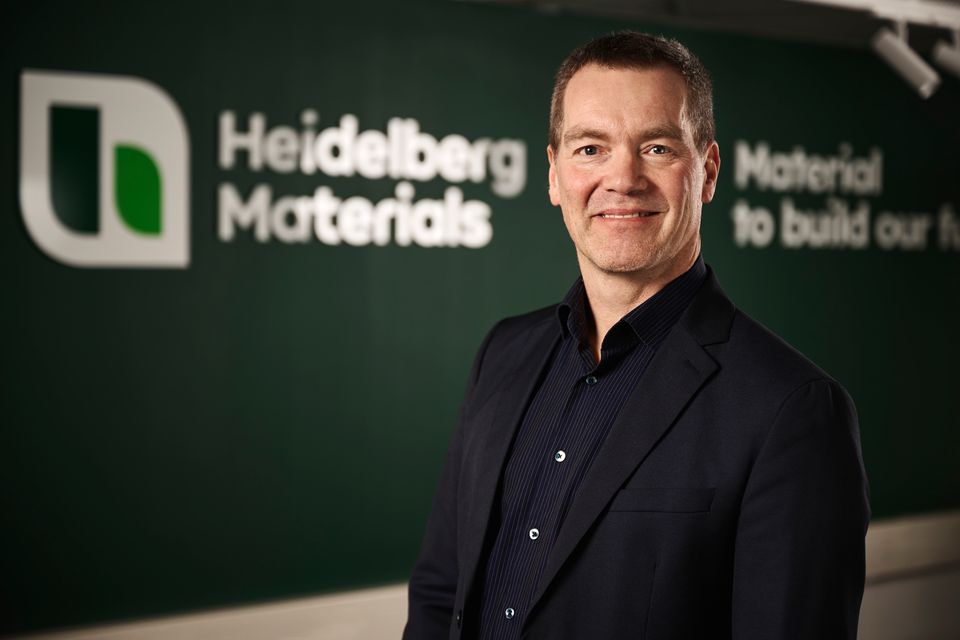
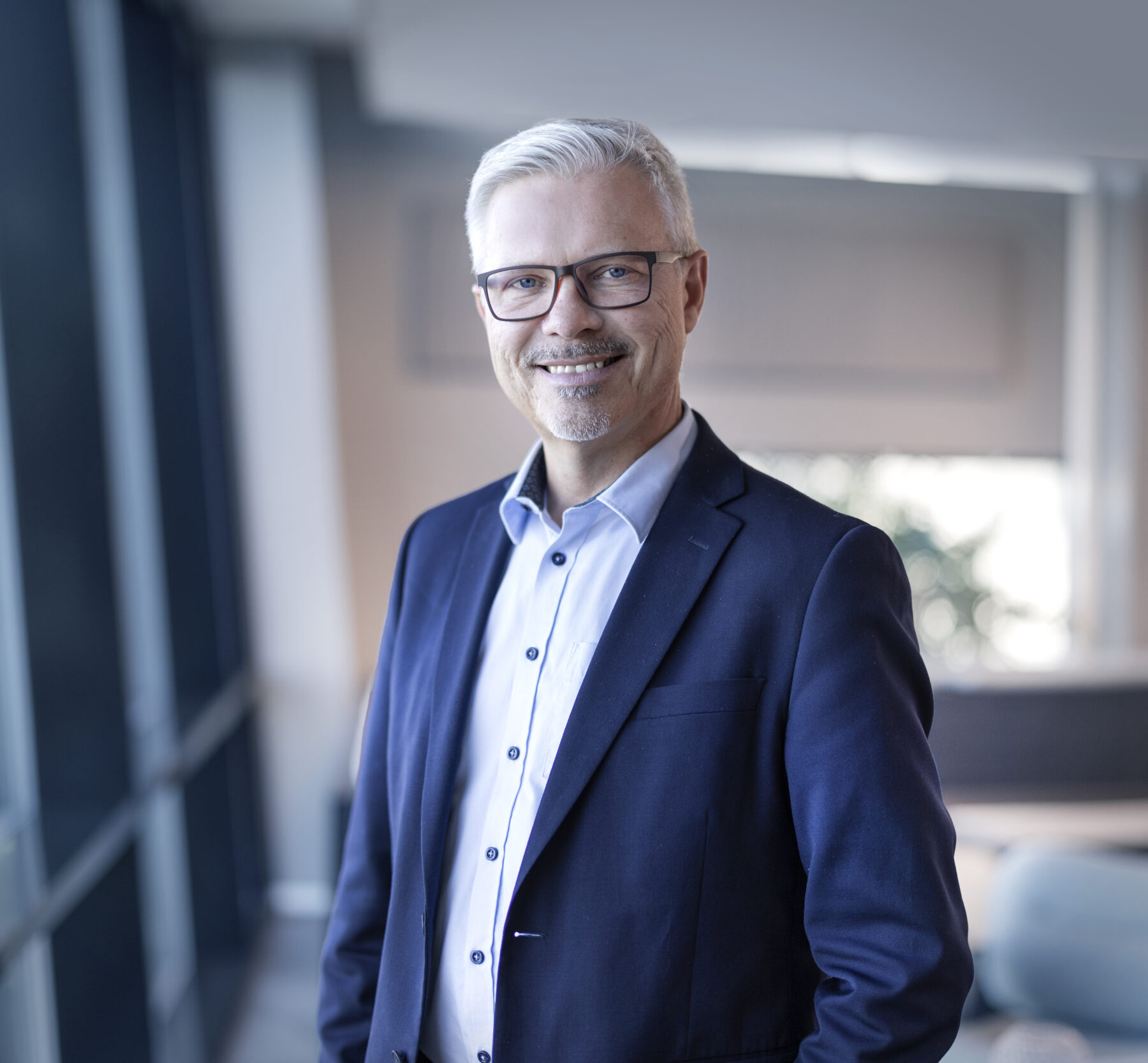
  • Portrait of Vetle Houg, CEO of Heidelberg Materials

    Vetle Houg, Managing Director of Heidelberg Materials Cement Norway.

    «We have ambitious climate goals for our products, and for the cement industry, carbon capture is absolutely necessary to enable net-zero concrete. This has long been a vision—now it’s a reality.»

    Photos: Heidelberg Materials

  • Heidelberg Materials’ cement plant in Brevik with carbon capture facilities, large pipes, silos and trucks on site.

    Vetle Houg, Managing Director of Heidelberg Materials Cement Norway.

    «We have ambitious climate goals for our products, and for the cement industry, carbon capture is absolutely necessary to enable net-zero concrete. This has long been a vision—now it’s a reality.»

    Photos: Heidelberg Materials

Connecting Europe by sea

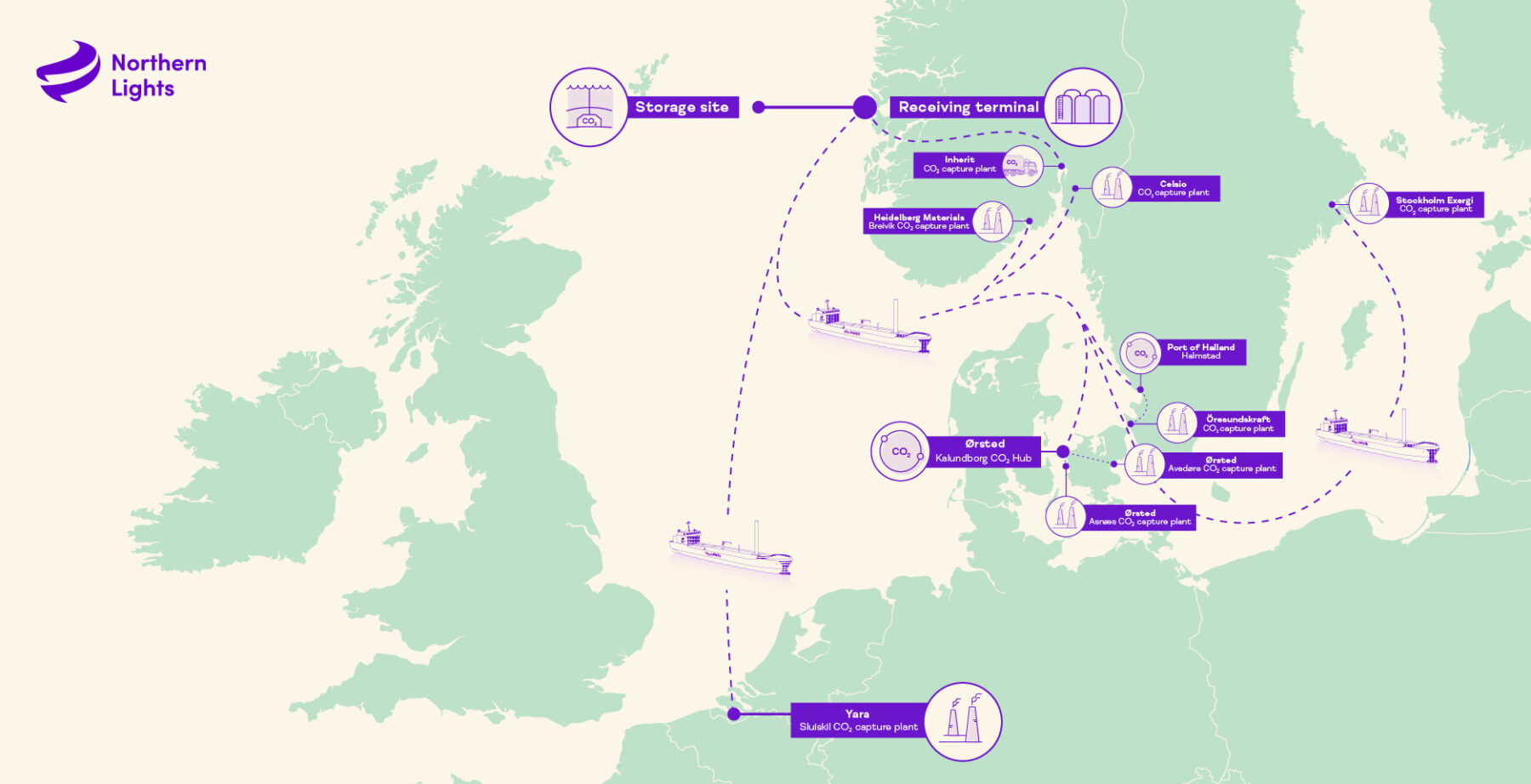
Shipping is at the centre of the Northern Lights value chain. Industrial emitters are located across Europe, while suitable geological storage sites are found in only a few regions. Purpose-built CO₂ ships connect capture sites with safe and secure geological storage, making cross-border carbon management possible without requiring dedicated pipeline infrastructure.

This flexible approach enables industries in different countries to access transport and storage as a commercial service, while allowing the network to grow as new customers connect.

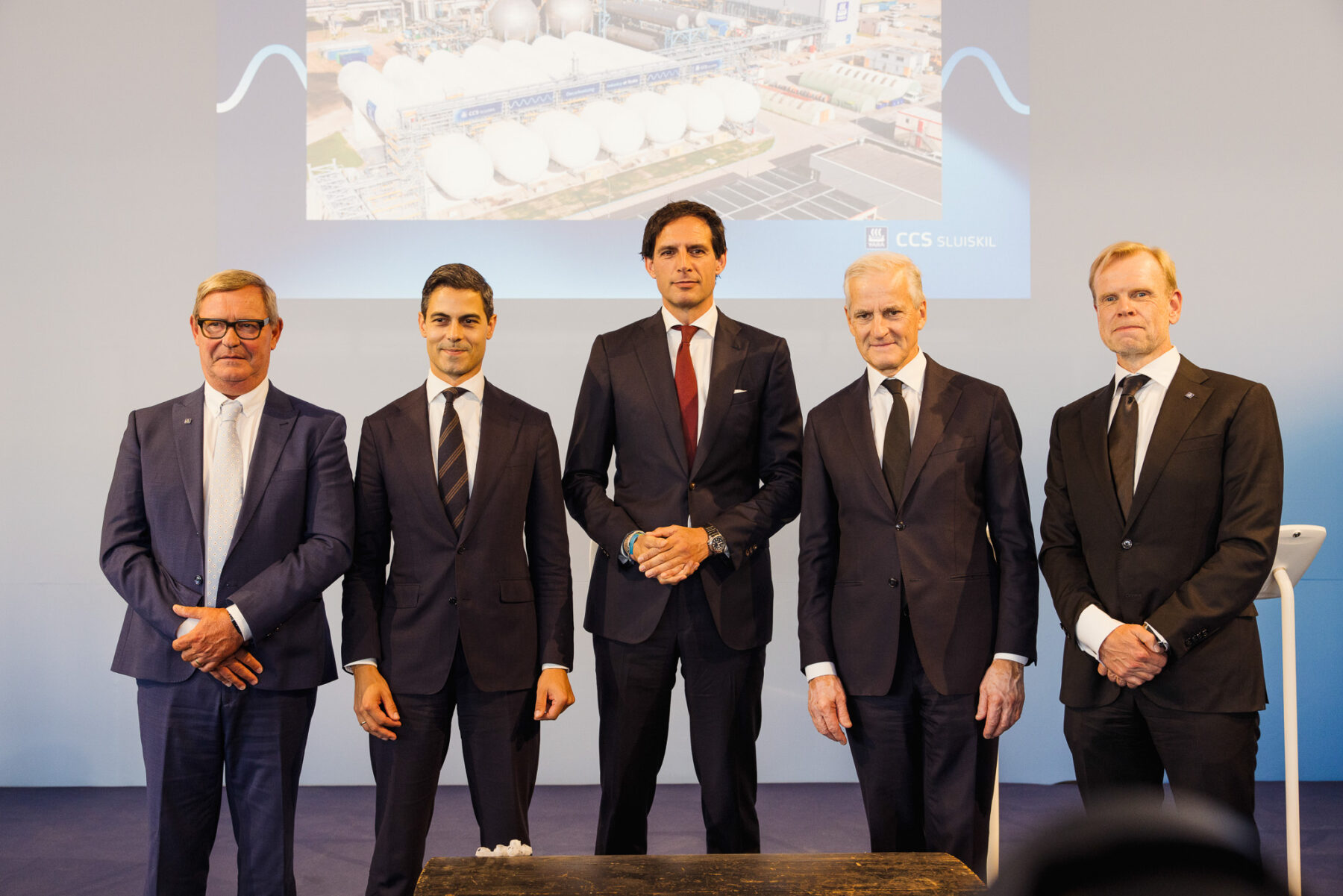
In 2026, operations are expanding beyond Norway with Yara in the Netherlands and Ørsted in Denmark among its first cross-border customers. This demonstrates how industrial emitters across Europe can now access CO₂ transport and safe storage as a service, marking an important step towards a commercial European market for CCS.

The customer base will expand further with Stockholm Exergi and Öresundskraft in Sweden and Hafslund Celsio in Norway, in 2028 and 2029. The next phase is in full development and will increase Northern Lights’ annual transport and storage capacity to more than 5 million tonnes.

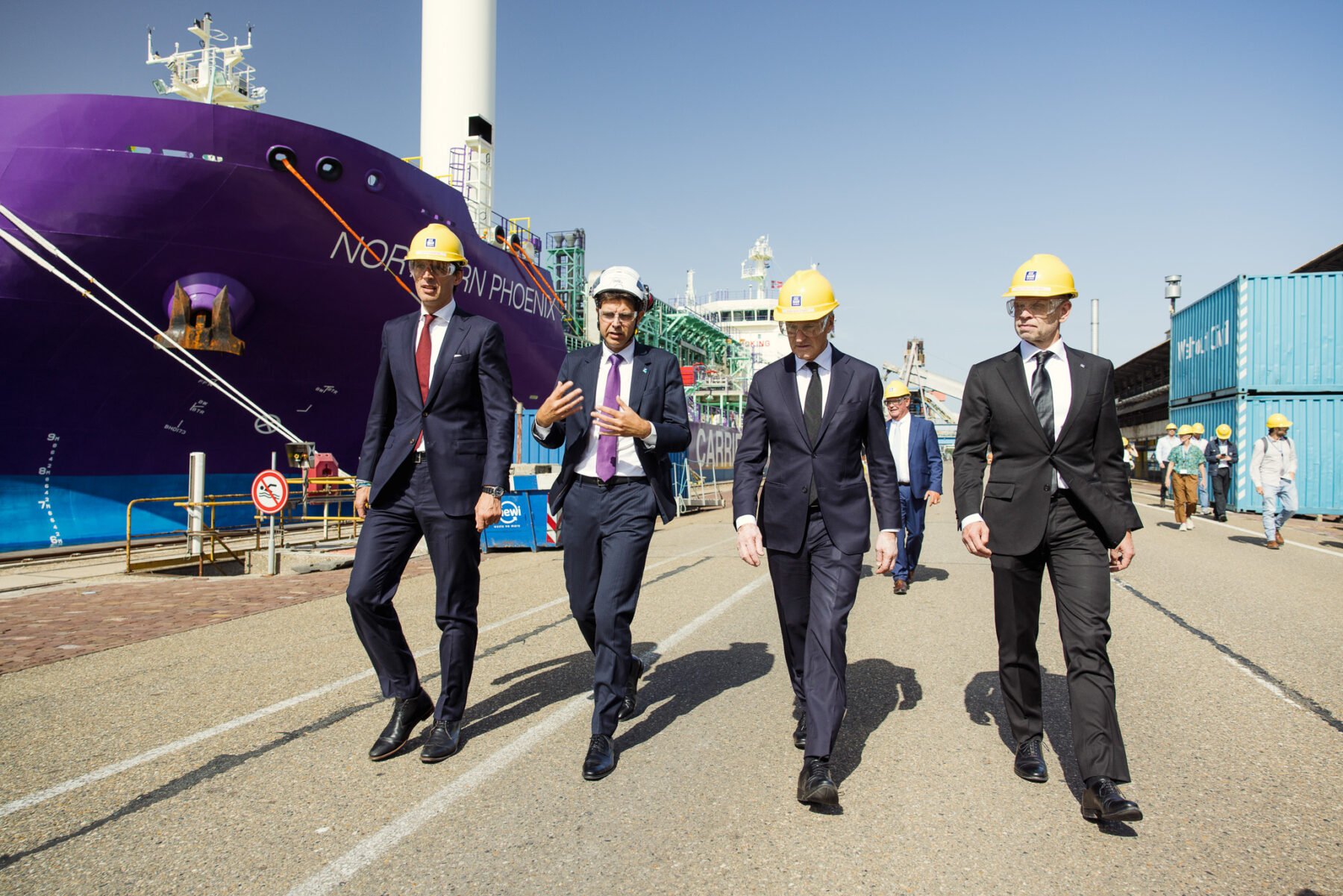
  • Men in suits in front of ship

    Svein Tore Holsether, President and Chief Executive Officer, Yara International.

    «With the start of CCS operations at Sluiskil, we are demonstrating that large-scale decarbonization of hard-to-abate sectors is possible. This is not a pilot – it is industrial-scale climate action. At the same time, it shows how Europe can cut emissions while safeguarding critical industries, strengthening economic resilience and reduce dependence on more carbon-intensive imports.»

    Photos: Yara

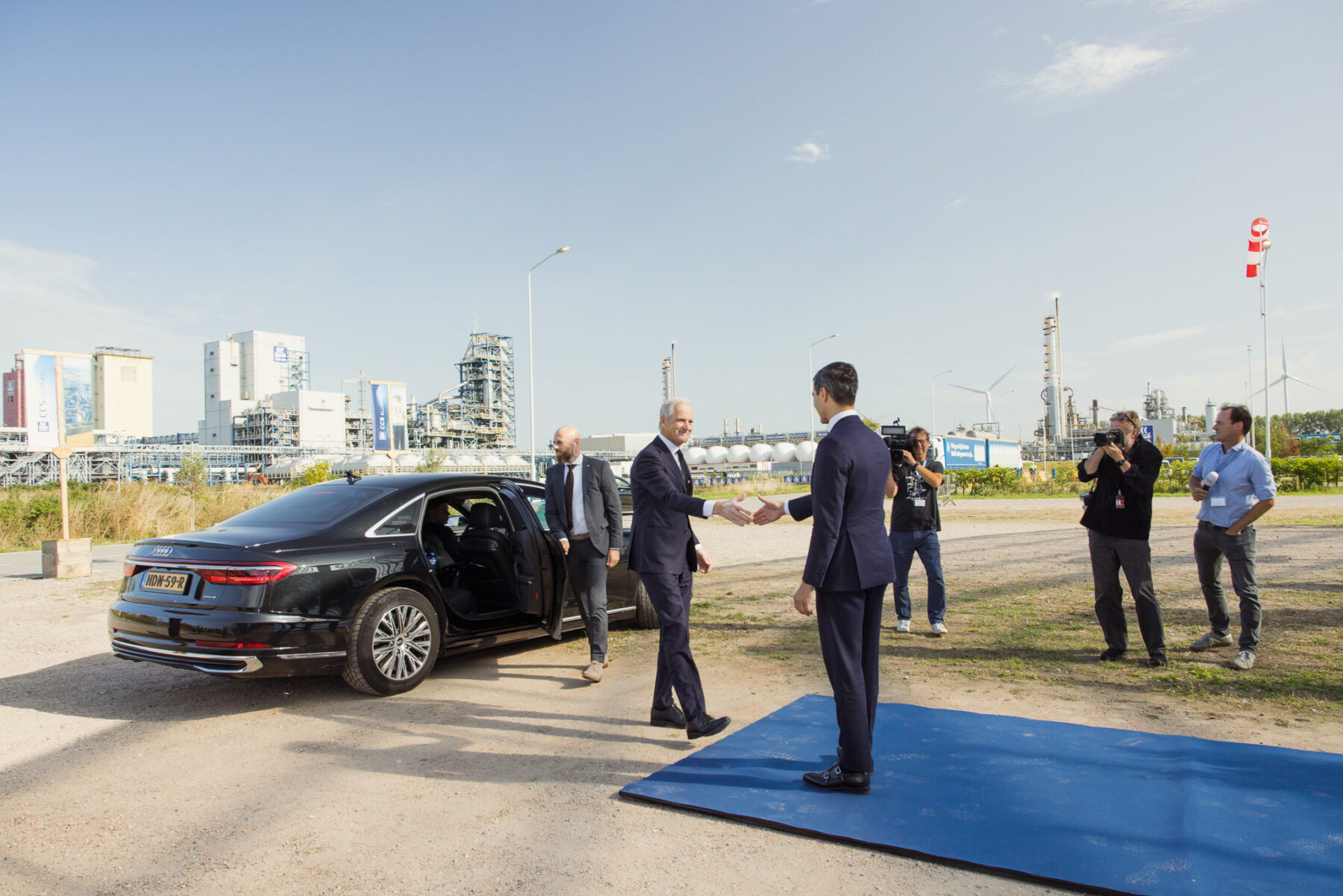
  • Prime Minister Jonas Gahr Støre arrives at Yara’s Sluiskil plant.

    Svein Tore Holsether, President and Chief Executive Officer, Yara International.

    «With the start of CCS operations at Sluiskil, we are demonstrating that large-scale decarbonization of hard-to-abate sectors is possible. This is not a pilot – it is industrial-scale climate action. At the same time, it shows how Europe can cut emissions while safeguarding critical industries, strengthening economic resilience and reduce dependence on more carbon-intensive imports.»

    Photos: Yara

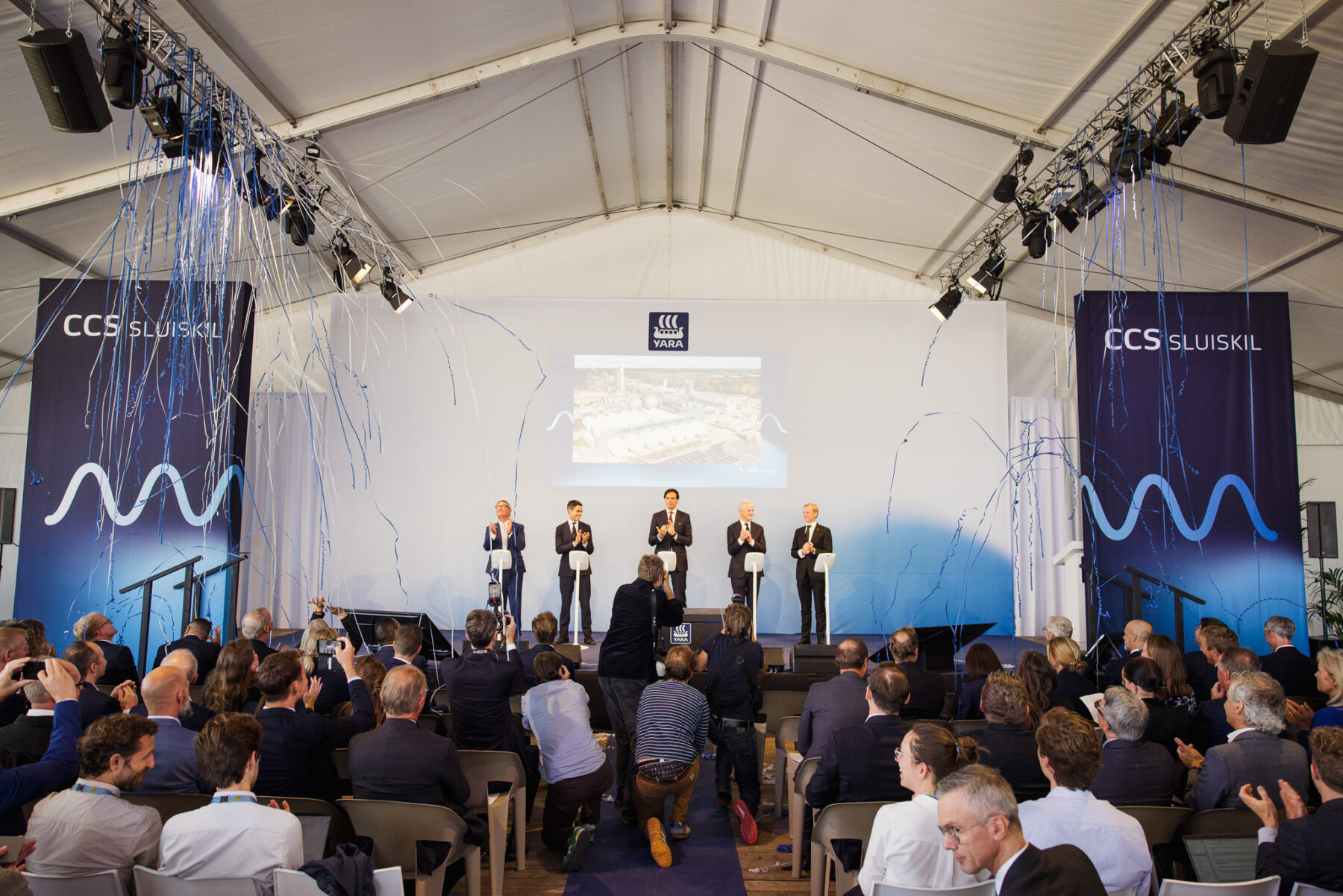
  • With the start of CCS operations at Sluiskil, we are demonstrating that large-scale decarbonization of hard-to-abate sectors is possible. This is not a pilot – it is industrial-scale climate action. At the same time, it shows how Europe can cut emissions while safeguarding critical industries, strengthening economic resilience and reduce dependence on more carbon-intensive imports.»

Photos: Yara

    Svein Tore Holsether, President and Chief Executive Officer, Yara International.

    With the start of CCS operations at Sluiskil, we are demonstrating that large-scale decarbonization of hard-to-abate sectors is possible. This is not a pilot – it is industrial-scale climate action. At the same time, it shows how Europe can cut emissions while safeguarding critical industries, strengthening economic resilience and reduce dependence on more carbon-intensive imports.»

    Photos: Yara

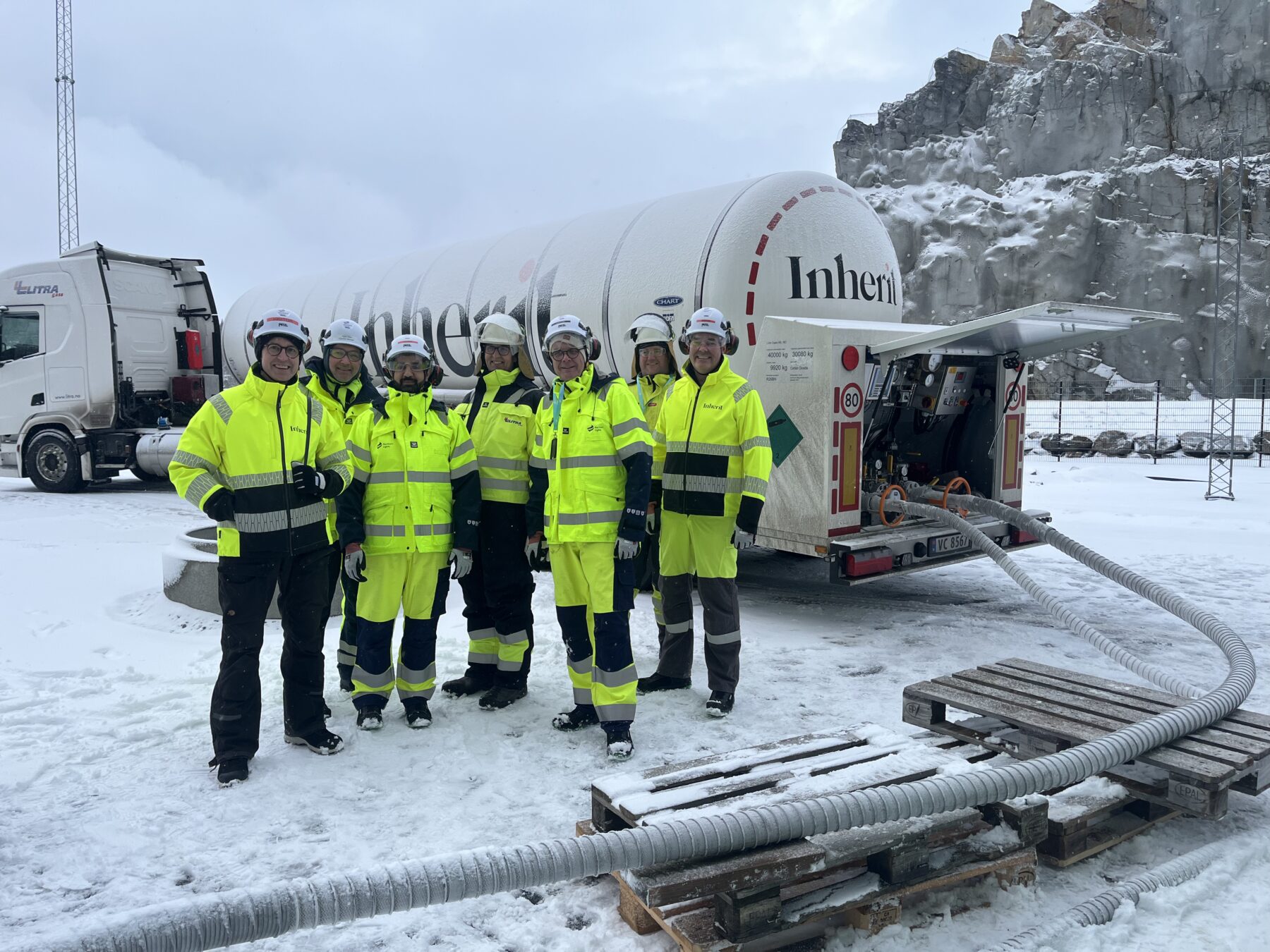
In addition, Northern Lights facilitates the issuance of credible carbon removals. Through a pilot agreement with Inherit Carbon Solutions, biogenic CO₂ captured from biogas production at Veas in Slemmestad, is transported by truck to the Northern Lights terminal in Øygarden and permanently stored beneath the North Sea. Northern Lights provides capacity to receive up to 7,000 tonnes of CO₂ annually during the agreement period.

Northern Lights also provides credible CO₂ accounting through digitalised measurement, verification and reporting services (MRV). Such accounting supports the issuance of carbon removal units and is also an important building block for green premium products.

Seven people in hi-vis gear stand by an Inherit CO2 tanker truck in the snow during a delivery to Northern Lights.

Kaja Voss, CEO at Inherit

«For the first time, biogenic CO₂ from biogas production is being permanently stored underground. I am proud that Inherit is now operational with our first project. This proves that the value chain works, from capture at a biogas facility to permanent storage below the seabed.»

Building a European carbon management market

Northern Lights is building a growing network of CO₂ capture sites across Europe, connected by ship to permanent storage in the North Sea.

Partnership opportunities

European industries can already access cross-border CO₂ transport and storage as a commercial service. As demand grows, Northern Lights is expanding the infrastructure to connect more customers, more countries and larger volumes of CO₂.

Through the Phase 2 expansion, annual storage capacity will increase from 1.5 million tonnes to more than 5 million tonnes of CO₂. Combined with Norway’s significant geological storage potential, this provides a scalable foundation for the continued development of carbon management across Europe.

Whether you are developing an industrial CCS project, planning a carbon removal initiative or exploring future transport and storage solutions, Northern Lights offers an open-access service designed to connect new emitters to safe and secure geological storage.

Ready to connect

If you are planning a CCS or carbon removal project, we would like to explore how Northern Lights can become part of your value chain.

Fridtjof Wisur, Commercial Director at Northern Lights JV

Fridtjof Wisur

Commercial Director

Jostein Tegle, Strategy & Market Manager at Northrn Lights JV

Jostein Tegle

Focal point for origination